

 Tiếng Việt
 中文 (中国)
Vietnamese fruit exports decline but potential remains high
According to the Ministry of Industry and Trade, in the first five months of 2025, Vietnam’s export turnover of agriculture, forestry, and fisheries reached US$28.04 billion, up 15.1% year-on-year. However, fruit and vegetable exports dropped by 17.8%, to only US$2.1 billion.Among Vietnam’s top five fruit import markets, three recorded declines: China down 33%, South Korea down 5%, and Thailand down 3%. This shows warning signs for the fruit export sector, especially when Vietnamese fruits are naturally competitive and expected to grow.
Causes: Quality control, standards, and trade policy
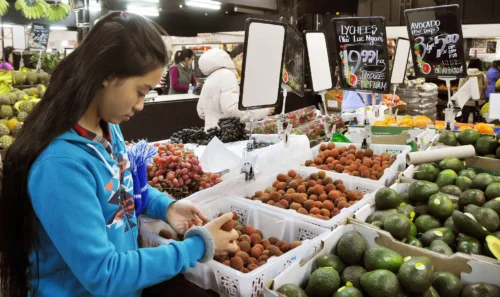
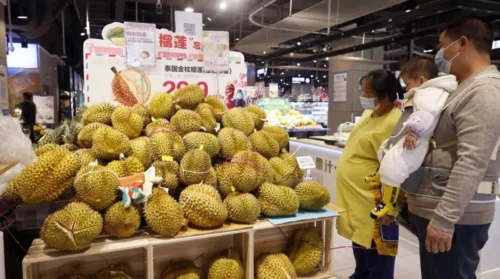
Mr. Dang Phuc Nguyen, General Secretary of the Vietnam Fruit and Vegetable Association (Vinafruit), said the decline in 2025 was due to a dual impact. Firstly, China, the leading export market, tightened quality control, particularly for Basic Yellow 2 and Cadmium residues in durian. As a result, Vietnam’s durian exports to China fell by 74%. Secondly, U.S. tariff policies had a ripple effect on global markets, impacting both Vietnamese exporters and competitors. Despite challenges, Vietnamese fruits remain highly favored in many international markets. The Vietnam Trade Office in the U.S. reported that with a population of over 330 million, the U.S. is a key market for seasonal agricultural products. Currently, eight Vietnamese fruits are licensed for import into the U.S.: dragon fruit, mango, longan, lychee, rambutan, milk fruit, pomelo, and coconut. Meanwhile, in Japan, Vietnamese enterprises have successfully exported dragon fruit, mango, lychee, and longan through official channels.
Global market opportunities through trade agreements
Mr. Tran Thanh Hai, Deputy Director of the Import-Export Department, noted that Vietnamese fruits are now present in 60 countries and territories, including China, the U.S., South Korea, Japan, the EU, and Australia. The global fresh fruit trade value is about US$240 billion per year, while processed fruit products total about US$270 billion per year. Vietnam’s annual fruit export value, at US$5–7 billion, shows that there is still ample room for growth. Thanks to multiple free trade agreements (FTAs), 94% of 547 tariff lines on fruits and processed fruit products have been eliminated, giving Vietnamese fruits a significant competitive edge. Mr. Luong Phuoc Vinh, Southeast Asia Regional Director of Tentamus Group (Germany), said that if Vietnamese fruits meet European standards, Vietnam could reduce reliance on China, as EU consumption is comparable. He emphasized: “EU standards are not excessively strict; what matters is understanding the requirements. European partners are ready to assist Vietnamese companies in compliance.” However, many businesses report difficulties in sourcing certified planting area codes, as overlapping and inconsistent registrations persist. Therefore, local governments should proactively develop certified growing zones to facilitate fruit exports.
Planting area codes: A key to sustainable export
Following negotiations between Vietnam’s Ministry of Industry and Trade, Ministry of Agriculture, and Chinese counterparts, on May 21, 2025, China’s General Administration of Customs approved 829 additional planting area codes and 131 new durian packaging facilities. To date, Vietnam has 1,396 approved planting area codes and 188 packaging facilities certified by China. This is a positive sign for the durian harvest season (July–November 2025), helping companies plan exports, avoid border congestion, and minimize price risks. Minister Nguyen Hong Dien stated: “The approval of planting area codes facilitates contract implementation between farmers and enterprises but also comes with strict requirements. Once granted, codes must be maintained with discipline and credibility.” He urged all cooperatives and exporters to strictly follow production, packaging, and quarantine procedures, ensuring food safety and traceability, as this is the key for Vietnamese fruits to go global and expand into high-demand markets. Although Vietnam’s fruit and vegetable exports face challenges, the potential remains vast. The future of Vietnamese fruits depends on quality enhancement, compliance with international standards, and a strategic market approach built upon certified planting area codes. Only then can Vietnamese fruits truly go global and strengthen Vietnam’s position in the global agricultural value chain.