

 Tiếng Việt
 中文 (中国)
In the context of global integration, export has become an important economic activity, helping Vietnamese enterprises expand their markets and enhance competitiveness. So, what is export? What forms does it take, and what are its advantages and disadvantages? Let’s explore in detail with Tin Thanh Phat in the article below.
What is Export?
Export is the activity of bringing goods and services from one country to another for consumption and trade exchange.
According to Article 28 of the Vietnam Commercial Law:
“Export of goods means the bringing of goods out of the territory of Vietnam, or into special zones located within the territory of Vietnam which are considered separate customs areas under the provisions of law.”
Export not only brings profit to enterprises but also helps increase foreign currency revenue, promote the national economy, and enhance Vietnam’s position in international trade.
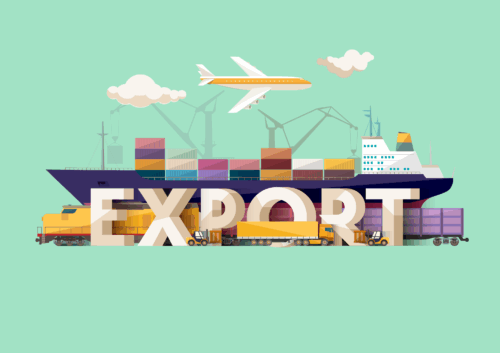
Common Forms of Export
Currently, enterprises often adopt two main forms of export: direct export and indirect export.
1. Direct Export
This is when enterprises bring their products to foreign markets without intermediaries.
- Direct exporting: Establishing a specialized department to manage export activities.
- Sales representative: Sending a representative to the importing market to sell products, earning salaries and commissions.
2. Indirect Export
This is when enterprises sell through intermediaries. Common intermediaries include:
- Agent: Represents exporting enterprises in international markets.
- Export Management Company (EMC): Undertakes and manages the entire export process on behalf of the exporter.
- Export Trading Company (ETC): Acts as a distributor, connecting with foreign customers.
- Freight Forwarder: Assists with customs clearance, transportation, and cargo insurance.
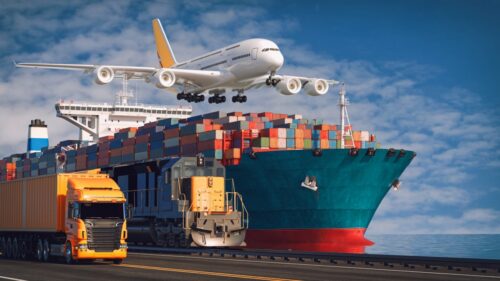
Advantages of Export
- Expands international markets: Helps enterprises reach more customers.
- Increases revenue and profit: Utilizes surplus production capacity.
- Lower financial risks: No need to invest in overseas infrastructure.
- Contributes to national economic growth: Increases foreign currency inflows, boosts GDP.
Disadvantages of Export
- Limited control over distribution channels: Reduces access to end customers.
- Lack of local market knowledge: Prone to barriers related to law, culture, and customs.
- Intense competition: Less favorable compared to competitors with strong distribution systems.
Conclusion
Export is the fastest path for Vietnamese enterprises to access international markets. However, to take full advantage of this opportunity, enterprises need to choose suitable export forms, study markets carefully, and build sustainable competitive strategies.