

 Tiếng Việt
 中文 (中国)
Vietnam’s export sector in 2026 is expected to face continued global uncertainty, but proactive strategies by businesses are creating new momentum. The Ministry of Industry and Trade forecasts total export turnover to grow by over 8% year-on-year, surpassing USD 500 billion, while the trade surplus is projected to exceed USD 23 billion.
To achieve this goal, key industries have begun strengthening competitiveness early, focusing on efficiency, digital transformation and market diversification. The Vietnam National Textile and Garment Group (Vinatex) has set consolidated revenue targets of VND 20 trillion and profits of up to VND 1.5 trillion for 2026. According to CEO Cao Huu Hieu, the group’s strategy centers on improving overall efficiency, optimizing assets and developing higher value-added products.
Meanwhile, Vietnam’s wood and forestry sector aims for export revenue of USD 18.5–19 billion. Industry leaders expect steady demand from major markets such as the EU, Japan and South Korea, particularly for environmentally friendly products. However, compliance with sustainability standards and supply chain transparency is becoming increasingly critical.
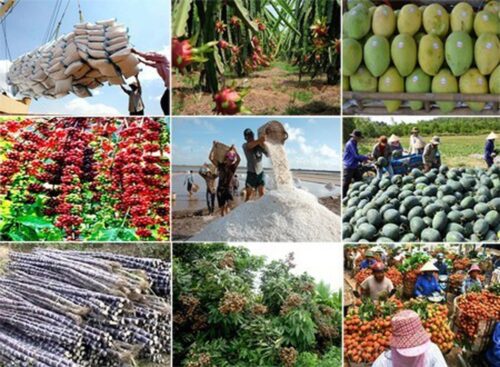
The fruit and vegetable sector, following a strong performance in 2025, is targeting USD 9.5–10 billion in exports in 2026. In addition to durian, new products such as fresh coconuts, pomelos and processed fruits are expected to gain traction if export protocols are finalized. According to Deputy Director General Tran Thanh Hai of the Import-Export Department, global protectionism, green standards and geopolitical risks remain key challenges. Vietnam is therefore accelerating efforts to upgrade existing free trade agreements and negotiate new frameworks to support exporters.Experts agree that diversification, higher domestic value addition and stronger integration into global supply chains will be essential for Vietnam to sustain export growth in 2026.